
Table of Contents
- Why Most Hamsa Jewelry Fails Within Months
- What Makes Hamsa Jewelry Durable for Daily Wear
- Gold Plated vs Sterling Silver Durability: Which Wins?
- Finding Tarnish Free Evil Eye Jewelry That Holds Up
- How to Clean Hamsa Necklaces Without Damaging Them
- Styling Your Hamsa for Work, Workouts, and Everything Between
- Repairability and Warranty: What to Expect From Quality Brands
- Final Thoughts on Choosing Daily-Wear Hamsa Pieces
- Frequently Asked Questions
Last Updated: September 9, 2026
Why Most Hamsa Jewelry Fails Within Months
If you have bought a hamsa necklace from a fast-fashion site and watched it turn your skin green or dull into a bronze mess within eight weeks, you already know the pain. The core problem is plating that is measured in millionths of an inch and base metals that react aggressively with sweat and perfume. This guide explains why durable hamsa jewelry for daily use starts with material honesty rather than clever marketing.

Most failures trace back to a single decision: using a copper or brass base and calling it "gold." When the microscopic top layer wears off at the clasp or pendant edges, the exposed base reacts with moisture and cosmetics. The result is discoloration, skin irritation, and a piece that looks antique after a month. What separates jewelry that survives daily wear is the thickness of the plating and the quality of the metal underneath it.
The good news is that the market has shifted. Buyers now demand transparency about karat content and base materials, and brands that use sterling silver cores with genuine 18k plating are earning loyal followings. Below, we will show you exactly what to look for, what to avoid, and how to care for pieces so they last for years rather than seasons.
What Makes Hamsa Jewelry Durable for Daily Wear
Durability in jewelry is not an accident. Durable hamsa jewelry depends on three structural decisions made during manufacturing: the base metal, the plating thickness, and the clasp mechanism.
A sterling silver base (925 silver) offers natural resilience and is inherently more forgiving than brass. When plated with 18k gold, it provides the warm look of gold with the structural integrity of silver. The plating thickness matters enormously; quality pieces use a thicker layer that resists the friction of daily movement against clothing and skin. Clasps are the first failure point on any necklace, so look for secure mechanisms rather than flimsy lobster clasps that bend out of shape.
The Role of Karat Gold and Base Metals
Karat measures the purity of gold. Pure gold is 24 karats, but it is too soft for everyday jewelry. Most quality pieces use 18k gold plating, which means 75% gold alloyed with other metals for strength. This is the sweet spot for daily wear: it offers the rich color of gold while resisting scratches better than softer, higher-karat options.
The base metal determines what happens when plating eventually wears thin. Sterling silver tarnishes gracefully and can be polished back to brightness. Cheaper base metals corrode and can cause skin reactions. When you see "gold-plated" without a mention of the base, ask questions. Reputable jewelers are transparent about using 925 sterling silver cores.

Hypoallergenic Materials for Sensitive Skin
For those with sensitive skin, the base metal is the entire story. Nickel, often found in lower-quality alloys, is a common irritant that causes the green marks and rashes many women associate with cheap jewelry. Sterling silver and 18k gold are naturally hypoallergenic options that avoid this problem entirely.
Gold Plated vs Sterling Silver Durability: Which Wins?
This is the question that decides everything. Sterling silver on its own is durable, tarnish-resistant with proper care, and naturally hypoallergenic. Gold plating over sterling silver adds warmth and prevents the oxidation that makes silver darken over time. For daily wear, gold-plated sterling silver offers the best of both: the skin-safe properties of silver and the aesthetic of gold.
The trade-off is maintenance. Pure silver requires occasional polishing to remove tarnish. Gold plating reduces that need but will eventually wear at high-friction points. A quality piece balances these factors with thicker plating and careful design.
| Material | Skin Safety | Daily Wear Resistance | Maintenance | Best For |
|---|---|---|---|---|
| Sterling Silver | Excellent | Good, tarnishes over time | Regular polishing | Minimalist silver lovers |
| Gold-Plated Silver | Excellent | Excellent with thick plating | Low, occasional cleaning | Those who want gold tones safely |
| Brass/Copper Base | Poor, can irritate | Poor, plating wears fast | High, frequent re-plating | Costume-only pieces |
Gemma Azzurro uses 925 sterling silver with 18k gold plating. The Gemological Institute of America's guide on gold purity confirms that 18k alloys balance color and strength for jewelry meant to be worn often.
Finding Tarnish Free Evil Eye Jewelry That Holds Up
Tarnish free evil eye jewelry is not a myth, but it requires understanding what causes tarnish in the first place. Tarnish is a chemical reaction between metal and sulfur compounds in the air, sweat, and some cosmetics. Sterling silver tarnishes naturally, while gold resists it entirely.
The solution is layering. A thick 18k gold plating over sterling silver protects the silver from exposure to air and moisture, effectively preventing tarnish. This is why gold-plated pieces outperform plain silver for those who want low-maintenance daily wear. When shopping, look for pieces that specify both the plating karat and the base metal. Vague descriptions like "gold tone" usually mean no real gold at all.
For women who wear their evil eye jewelry through workouts, showers, and long days, the practical difference is significant. The vibrant colors of the evil eye design also matter; quality enamel or stone settings survive daily friction better than painted surfaces that chip.
How to Clean Hamsa Necklaces Without Damaging Them
Cleaning is where most jewelry gets ruined. Harsh chemical dips strip plating, and ultrasonic cleaners can loosen stones. But for a piece worn daily, the real challenge isn't the occasional deep clean, it's managing the buildup of sweat, sunscreen, and skincare products that accumulate in the intricate details of the hamsa hand. A gentle routine preserves both the metal and the protective symbolism of the piece.
The Daily Wipe vs. The Weekly Rinse
For daily maintenance, the simplest habit is the most effective: after removing your necklace at night, wipe it down with a soft, lint-free cloth (a jeweler's polishing cloth works best) to remove the day's oils and sweat. This single step prevents the buildup that causes plating to dull prematurely. For a deeper clean once a week, or after a particularly sweaty workout, use lukewarm water with a drop of mild dish soap (Dawn or Seventh Generation are safe choices). Dip a soft cloth, wipe the piece gently, paying attention to the crevices between the fingers of the hamsa, and rinse in clean water. Pat dry immediately with a separate soft cloth. Avoid soaking, which can weaken the plating bond over time.
Never use abrasive polishes, baking soda pastes, or jewelry cleaning solutions on gold-plated pieces. They are designed for solid metals and will strip the plating, exposing the silver underneath. Also, avoid ultrasonic cleaners, the vibrations can loosen the setting of any stones or enamel in the hamsa design.
Activity-Specific Care Protocols
Because this is jewelry for daily use, you need protocols for the specific environments your piece encounters:
- Workouts and Gym Sessions: Sweat is mildly acidic and accelerates tarnishing on exposed silver. If you wear your hamsa during exercise, rinse it under lukewarm water immediately after your session and dry it thoroughly. Don't let it sit in a gym bag damp.
- Swimming (Chlorine or Saltwater): Both chlorine and saltwater are corrosive to gold plating and can cause pitting. The rule is simple: remove your hamsa before entering any pool, ocean, or hot tub. If it does get exposed, rinse it immediately in fresh water and dry it.
- Showering: The combination of hot water, soap, and shampoo can gradually erode plating and leave a film on the pendant. While a quick rinse is fine, avoid making it a habit to wear your hamsa in the shower.
- Skincare and Fragrance: Perfume, lotion, and sunscreen contain chemicals that can dull gold plating. Apply these products first, wait a few minutes for them to absorb, and then put on your jewelry. This simple sequencing is the single most effective way to extend the life of a plated piece.
The 'Spot-Clean' Technique for Stubborn Residue
For stubborn residue that builds up in the fine details of the hamsa hand, often a mix of dried lotion and dead skin, use a soft-bristled baby toothbrush with a drop of gentle dish soap. Dip the brush in the soapy water, then gently work it in circular motions over the pendant's surface. Rinse under lukewarm water and pat dry. This technique is far safer than using a metal brush or a toothpick, which can scratch the plating.
Storage as a Cleaning Strategy
Store your necklace in a dry pouch or jewelry box with anti-tarnish strips. Keep it away from direct sunlight and humidity. If you live in a humid climate, consider adding a small silica gel packet to your jewelry box. Following the care guidance from the Federal Trade Commission's jewelry guidelines helps consumers understand what quality claims actually mean before they buy, but the daily habits you build are what truly determine longevity.
Styling Your Hamsa for Work, Workouts, and Everything Between
The beauty of durable hamsa jewelry is that it transitions across contexts. A dainty hamsa necklace at 15-17 inches sits at the collarbone, making it visible over work blouses without feeling bulky. For workouts, the same piece with a secure clasp stays put during yoga or gym sessions, provided the chain is not excessively long.
Layering is the current trend. A green hamsa pendant paired with a simple cable chain creates depth without overwhelming a minimalist aesthetic. The hamsa hand, also known as the Hand of Fatima, carries protective symbolism that many wear as a personal talisman, but it works equally well as a purely fashion-forward statement.
For athleisure outfits, a gold-plated hamsa bracelet at 6.5-8.5 inches adds a touch of warmth to sporty looks. The key is choosing pieces that match your existing metal preferences so they integrate seamlessly with your current jewelry collection.
Repairability and Warranty: What to Expect From Quality Brands
Quality brands stand behind their materials. A 14-day money-back guarantee tells you the seller expects satisfaction, but warranty expectations should go further. Ask about what happens if a clasp breaks or a stone loosens within the first year. Reputable jewelers offer repair services or replacement guidance rather than leaving you stranded.
The Jewelers of America's code of ethics emphasizes transparency in metal content and customer service standards. When a brand clearly states its use of 925 sterling silver and 18k gold plating, it is making a verifiable claim about material quality that holds up to inspection.
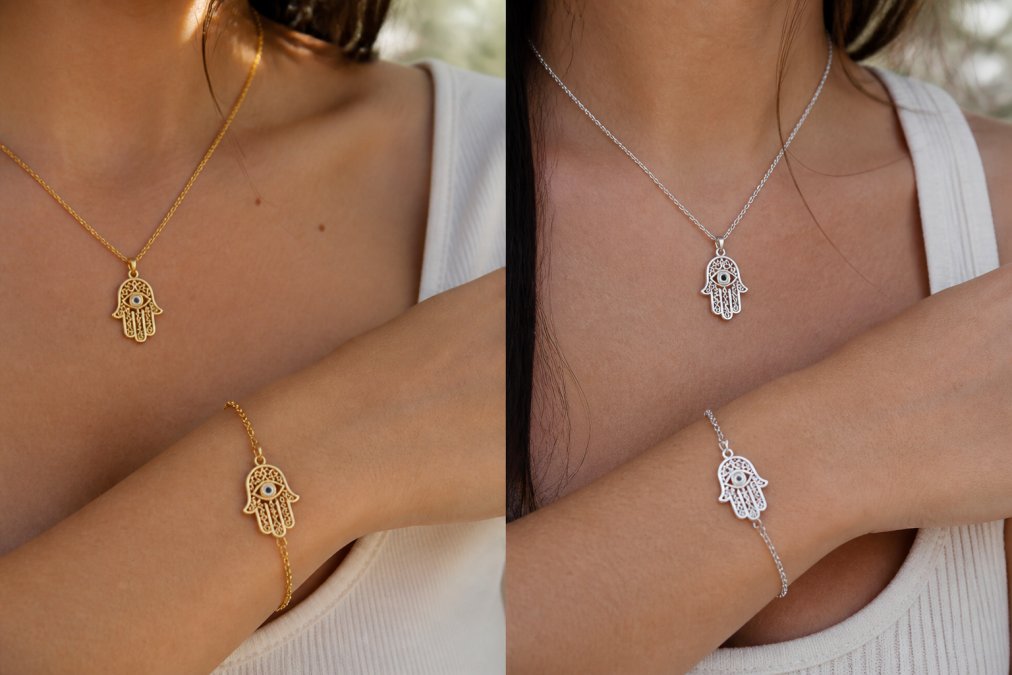
Gemma Azzurro's collection of sterling silver gold plated dainty green hamsa necklace at $59.00 exemplifies this approach, with clear material specifications and a design sized for everyday layering. Their matching sterling silver 18k gold plated dainty red hamsa bracelet at $55.00 offers a coordinated look for those who prefer sets.
Final Thoughts on Choosing Daily-Wear Hamsa Pieces
The hamsa hand is more than a trend. It is a protection symbol with centuries of cultural meaning, and it deserves to be worn on pieces that last. The difference between jewelry that survives daily wear and jewelry that fails comes down to materials, construction, and honest labeling.
Choose sterling silver bases with genuine gold plating, verify the karat content, and treat your pieces with basic care. This approach delivers jewelry longevity that fast-fashion alternatives cannot match. For those ready to invest in pieces that combine Mediterranean heritage with modern durability, Gemma Azzurro offers designs in hypoallergenic materials at accessible prices, backed by a 14-day money-back guarantee and free shipping on USA orders over $150.
Get started with Gemma Azzurro and find a hamsa piece that stays as meaningful in year three as it was on day one.
Frequently Asked Questions
Can anyone wear Hamsa jewelry?
Yes, the Hamsa hand is a shared symbol across several cultures and faiths. While it carries protective meaning in Jewish, Islamic, and Middle Eastern traditions, wearing it for fashion or as a general symbol of protection is widely accepted. What matters is choosing a piece that feels authentic to your personal style. If you are drawn to the design, a quality Hamsa piece from Gemma Azzurro can be worn daily as a meaningful accessory.
Is sterling silver durable enough for daily wear?
Sterling silver is durable enough for daily wear, but it is naturally softer than stainless steel. The key is the alloy and plating. Gemma Azzurro uses 925 sterling silver as a base and applies 18k gold plating. This combination keeps the hypoallergenic properties. For workouts or showering, you should still remove your jewelry to extend its lifespan.
How do I keep my gold-plated jewelry from tarnishing?
To keep gold-plated jewelry from tarnishing, avoid contact with water, perfume, and lotions. Apply your fragrance and let it dry before putting on your necklace or bracelet. Wipe your pieces with a soft cloth after each wear to remove oils and sweat. Store them separately in a dry pouch or jewelry box. Gemma Azzurro pieces are made with a thicker 18k gold plating over sterling silver.
What is the best quality jewelry for everyday wear?
The best quality jewelry for everyday wear combines a solid base metal with a protective finish. Look for 925 sterling silver or 14k gold as a base, paired with 18k gold plating for color and scratch resistance. Pieces with a cable chain and secure clasp are designed to withstand daily use. Avoid hollow or thin designs that bend easily.


