

How to Identify Authentic Sterling Silver
Table of Contents
- Understanding Sterling Silver and the 925 Hallmark
- Visual Inspection: Checking Hallmarks and Stamps
- How to Test Silver with a Magnet
- Chemical and Physical Tests for Silver Authenticity
- The Difference Between Silver Plated and Sterling Silver
- How to Clean Sterling Silver Jewelry at Home
- Sound and Ring Test
- Safety Precautions When Testing Silver
- Frequently Asked Questions
Last Updated: September 2, 2026
Understanding Sterling Silver and the 925 Hallmark
Sterling silver is an alloy composed of 92.5% pure silver and 7.5% other metals, typically copper (nist.gov). That 92.5% purity is why you'll see "925" stamped on authentic pieces, it's the hallmark that tells you what you're buying. The remaining 7.5% dramatically affects durability, tarnish resistance, and longevity. Pure silver alone is too soft for jewelry that needs to survive daily wear.
When identifying authentic sterling silver, the 925 hallmark is your first checkpoint, but counterfeiters know this, which is why fake hallmarks are increasingly common. The mark alone isn't enough. You need to understand what genuine hallmarks look like, where they appear, and how to verify them alongside physical tests.
At Gemma Azzurro, we craft our Mediterranean-inspired pieces from genuine 925 sterling silver specifically because it holds up to everyday wear while maintaining the vibrant look our customers expect. The 7.5% alloy content hardens the silver, reduces tarnish formation, and makes the metal workable for intricate designs.
Visual Inspection: Checking Hallmarks and Stamps
On authentic sterling silver jewelry, hallmarks appear on the clasp of bracelets, the post of earrings, the inside of rings, or the bail of pendants. The mark should read "925," "Sterling," "Ster," or "92.5," sometimes accompanied by a maker's mark or assay office symbol.
Genuine hallmarks are crisp and deeply impressed into the metal. Counterfeit stamps often look shallow, poorly aligned, or blurred. Run your fingernail across the stamp: a real hallmark will have clean, defined edges. A fake might feel smooth or uneven because it was poorly applied.
Hallmarks should appear in logical, hidden locations where they won't interfere with the design. If you find a hallmark in an unusual place or one that seems hastily added, that's a red flag.
International hallmarks vary by country. European pieces carry assay office marks specific to their origin. If you're purchasing vintage or imported sterling silver, research the hallmark system for that region. A piece marked with a UK lion passant or European hallmark isn't fake just because it doesn't match American standards.
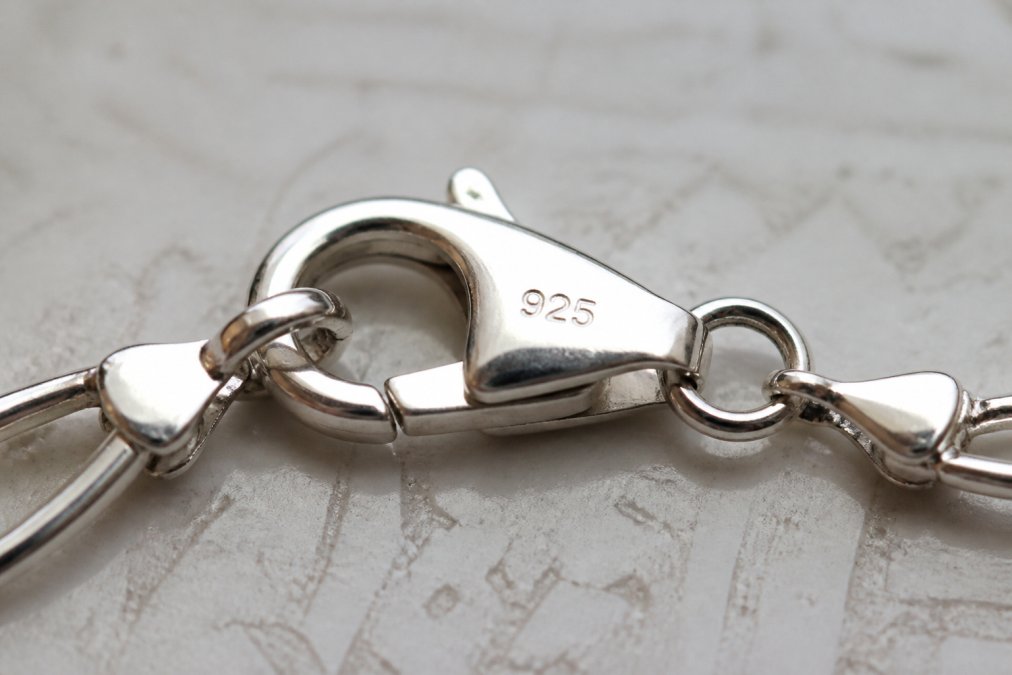
Look for consistency in how the hallmark appears across multiple pieces from the same jeweler. Professional manufacturers maintain consistent stamping standards.
How to Test Silver with a Magnet
Sterling silver is non-magnetic. Hold a strong neodymium magnet near (not touching) the silver piece. Genuine sterling silver will not be attracted to the magnet.
Some alloys used in counterfeit jewelry are also non-magnetic, so a magnet test confirms what the piece is not rather than definitively proving it is sterling silver. It's a screening tool, not a final verdict. If a piece claiming to be sterling silver is strongly attracted to a magnet, you've found a fake.
Perform the test in a neutral area, away from other magnetic objects. Hold the magnet steady and observe whether the piece moves toward it. Genuine sterling silver will remain completely still.
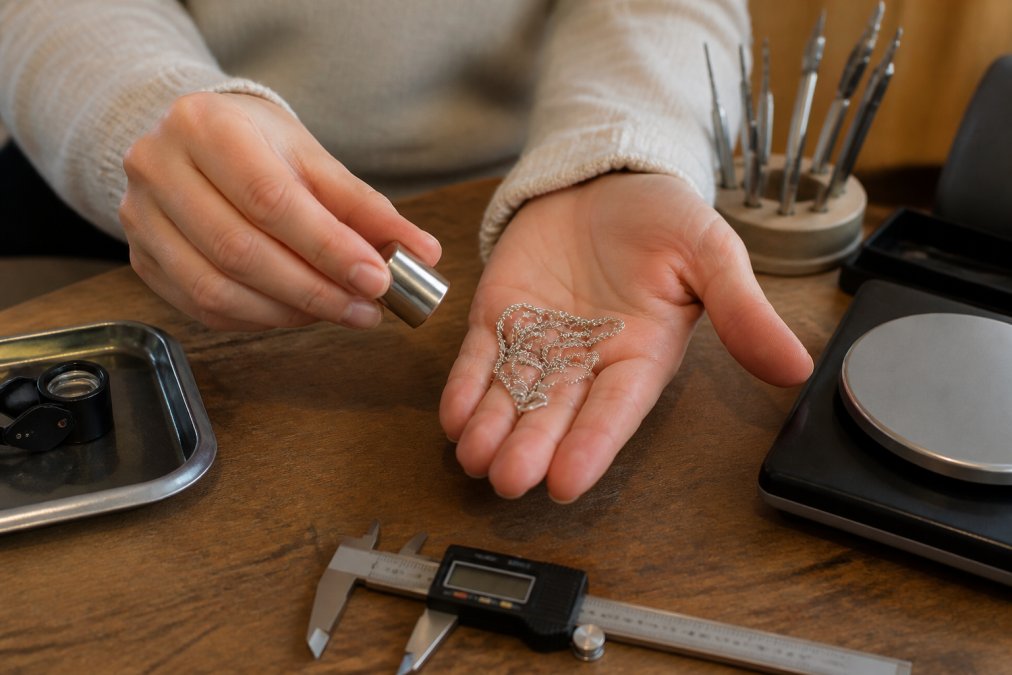
This test works especially well on larger pieces like bracelets or chunky necklaces. With delicate earrings or thin chains, the effect is harder to observe because the piece is lighter. Combine the magnet test with other methods for confirmation.
Chemical and Physical Tests for Silver Authenticity
Chemical and physical tests measure actual metal properties: density, thermal conductivity, reaction to acids, and sound. These tests provide more definitive answers than visual inspection alone.
The Nitric Acid Test
The nitric acid test is the gold standard for silver verification, it's what professional jewelers use. When nitric acid contacts base metals, it produces a visible reaction. When it contacts sterling silver, the reaction is minimal or produces a pale green color.
Apply a small drop of nitric acid to an inconspicuous area of the piece (inside a ring band, for example). Base metals like copper or nickel will turn dark brown or black immediately. Sterling silver produces a pale green or no visible color change.
This test is reliable but requires careful handling. Nitric acid is corrosive and can cause chemical burns. Never perform this test without proper safety equipment: nitrile gloves, eye protection, and a well-ventilated workspace. Many jewelers recommend having this test done professionally rather than attempting it at home.
The Ice Cube Test
This test exploits silver's exceptional thermal conductivity. Place an ice cube directly on the surface of the piece and observe how quickly it melts. Genuine sterling silver will conduct the cold so efficiently that the ice melts noticeably faster than it would on other metals. You'll see the ice begin to puddle within seconds. Base metals conduct heat much more slowly.
The ice cube test is safe, requires no chemicals, and works well for solid pieces like rings, bangles, or pendants. It's less effective for delicate or hollow pieces because thin metal conducts heat differently. Use this test as a supporting confirmation alongside other methods.
The Difference Between Silver Plated and Sterling Silver
Silver-plated jewelry has a thin layer of sterling silver bonded to a base metal core, typically copper, brass, or nickel. The plating is typically 0.5 to 1.5 micrometers thick. It looks like sterling silver initially but wears through with use, exposing the base metal underneath.

Sterling silver pieces maintain their appearance and value for decades with proper care. Silver-plated pieces typically last 1-3 years with daily wear before visible wear appears. Some people develop skin reactions to the base metal, especially if it contains nickel.
When identifying authentic sterling silver, understanding plating is crucial because plated pieces are often sold as sterling silver. A hallmark reading "925" on a plated piece typically refers to the plating composition, not the base metal. Unscrupulous sellers sometimes omit the "plated" designation.
To distinguish plated from solid sterling silver, look at the edges and worn areas. Where the piece has been handled frequently or where clasps connect, the plating may have worn through, revealing the base metal color underneath. Solid sterling silver will be silver throughout.
How to Clean Sterling Silver Jewelry at Home
Sterling silver tarnishes naturally over time due to oxidation and exposure to sulfur compounds in the air (peer-reviewed research). Tarnish is a thin, dark layer that's not permanent damage.
The simplest cleaning method uses mild dish soap and warm water. Submerge the piece for a few minutes, gently scrub with a soft cloth or soft-bristled brush, rinse thoroughly, and dry immediately with a lint-free cloth.
For heavier tarnish, use a silver polishing cloth designed for sterling silver. These cloths contain a mild chemical that removes tarnish without scratching. Rub gently until the shine returns.
For intricate designs or pieces with gemstones, a silver dip solution works well but requires care. Soak the piece for a few seconds, remove it, rinse immediately under running water, and dry thoroughly. Never leave a piece in dip solution longer than recommended.
Baking soda paste is a gentler alternative. Mix baking soda with a small amount of water, apply it to tarnished areas, let it sit for a few minutes, then gently scrub and rinse.
Store sterling silver in a cool, dry place away from direct sunlight and moisture. Use anti-tarnish bags or cloth to slow oxidation. Remove jewelry before showering, swimming, or exercising, as chlorine and sweat accelerate tarnish formation.
Sound and Ring Test
Sterling silver produces a distinctive ringing sound when struck gently. Hold the piece loosely between your thumb and forefinger, then tap it gently with another piece of silver or a metal object. Genuine sterling silver produces a clear, bell-like ring that sustains for several seconds. Base metals produce a dull thud or short, muted sound.
The ring test is unreliable for hollow pieces, plated jewelry, or pieces with gemstones because these variables change the sound. It's also subjective and requires experience. Use this test as a quick screening tool for solid pieces like silver bars, combined with other tests for jewelry.
Safety Precautions When Testing Silver
Chemical testing requires respect for safety. Nitric acid is the primary concern, but even mild cleaning solutions demand basic precautions.
Wear nitrile gloves when handling any testing chemicals or cleaning solutions. Work in a well-ventilated area. If using nitric acid, work outdoors or in a room with open windows and good airflow.
Wear eye protection. Safety glasses are inexpensive and essential. Keep a neutralizing agent nearby, baking soda or a dedicated acid neutralizer should be within arm's reach when working with nitric acid.
Store chemicals safely in clearly labeled, sealed containers in a cool location away from children and pets. Dispose of used chemicals properly by contacting your local hazardous waste facility. Never pour chemicals down the drain.
If you're uncomfortable handling chemicals, skip the nitric acid test entirely. Magnet tests, ice cube tests, visual inspection, and professional appraisals are safer alternatives that still provide reliable results.
Identifying authentic sterling silver protects your investment and ensures you're buying what you're paying for. The combination of hallmark inspection, magnet testing, and one physical test gives you confidence in any piece.
At Gemma Azzurro, every piece is verified 925 sterling silver with a 14-day money-back guarantee. We understand that durability and authenticity are non-negotiable for jewelry you trust with everyday wear. Our Mediterranean-inspired designs are crafted from genuine sterling silver specifically because the metal holds up to real life. Explore our best-selling sterling silver chain link bracelets and other certified pieces, backed by our commitment to quality and your satisfaction.
Frequently Asked Questions
Can jewelry be stamped 925 and still be fake?
Yes, counterfeit pieces can be stamped with a 925 hallmark. This is why relying on stamps alone is risky. Combine hallmark inspection with physical tests like the magnet test or nitric acid test to verify authenticity. Real 925 sterling silver will be non-magnetic and show consistent hallmarking across the piece. Always purchase from reputable retailers who guarantee their sterling silver quality.
What is the difference between silver plated and sterling silver?
Sterling silver is a solid alloy containing at least 92.5% pure silver mixed with other metals like copper for durability. Silver plated jewelry has only a thin layer of silver coating over a base metal like brass or nickel. Sterling silver lasts for everyday wear and can be cleaned and polished indefinitely, while silver plating wears away over time, exposing the base metal underneath. Sterling silver pieces often develop a patina or tarnish that can be polished away, whereas plated items cannot be restored once the coating is gone.
How do I test if my silver is real using household items?
The magnet test is the easiest household method: sterling silver is non-magnetic, so a strong magnet should not stick to it. The ice cube test shows sterling silver's high thermal conductivity, place an ice cube on the piece and it should melt quickly due to the metal's heat-conducting properties. The cloth test involves rubbing the piece with a soft cloth; real sterling silver will tarnish and leave a black mark on the cloth, while plated or fake silver won't. For definitive results, use a nitric acid test, but handle chemicals carefully and follow safety precautions.
What are the standard hallmarks for authentic sterling silver?
The primary hallmark for sterling silver in the United States is 925, indicating 92.5% pure silver content. You may also see marks like 'STERLING,' 'STER,' or the maker's initials. International pieces may display different hallmarks: European silver uses 925, 900, or 800 marks, while some vintage pieces show older assay marks. Always check that hallmarks are consistent, properly struck (not painted or glued), and located in logical places like clasps, backs, or inside bands. Absence of any hallmark doesn't automatically mean the piece is fake, some handcrafted or vintage pieces may lack stamps, but it should prompt additional testing.
This article was written using GrandRanker
Follow @gemmaazzurrojewelry


Get 10% Off Your First Order!


