
Table of Contents
- Gold Vermeil vs Gold Plated: The Core Differences
- Durability and Longevity: Which One Lasts Longer?
- Is Gold Vermeil Hypoallergenic? Skin Reactions Explained
- Does Gold Vermeil Tarnish Over Time?
- How to Clean Gold Vermeil Jewelry at Home
- Gold Vermeil vs Gold Plated vs Gold Filled: Full Comparison
- Which Type of Gold Jewelry Should You Choose?
- Conclusion
Last Updated: August 18, 2026
Gold Vermeil vs Gold Plated: The Core Differences
Gold vermeil and standard gold plating differ fundamentally in their specifications and durability. Gold vermeil requires a minimum gold layer of 2.5 microns over a sterling silver base, while standard gold plating can use almost any base metal and a gold layer as thin as 0.5 microns. That gap in specifications directly determines how a piece looks after six months of everyday wear.
Plating Thickness: Microns Matter
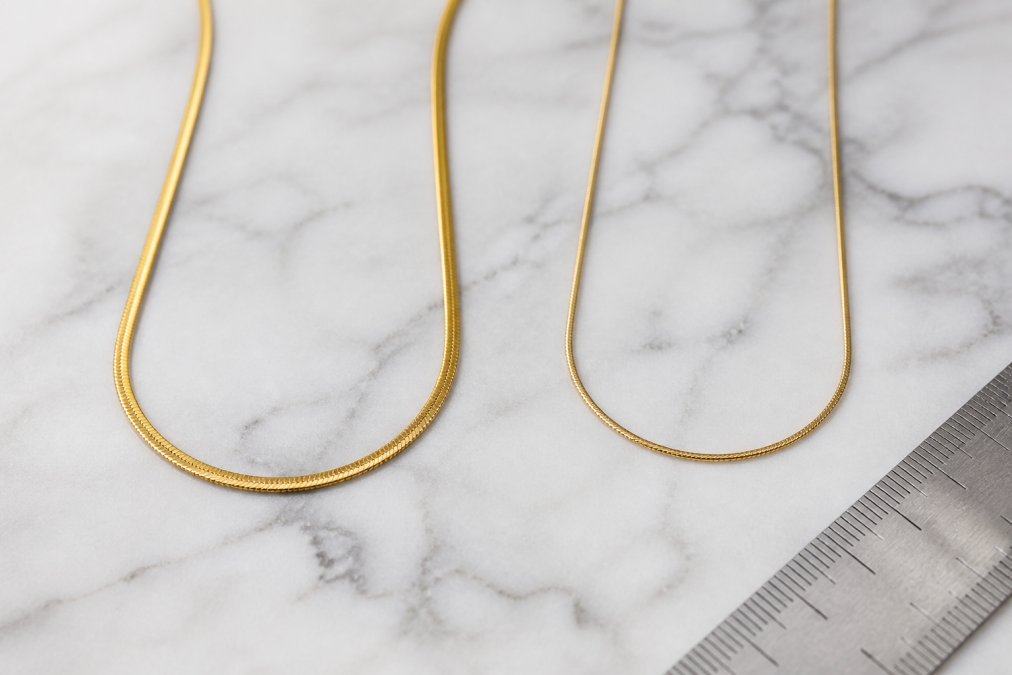
Plating thickness is measured in microns and determines a piece's longevity more than any other factor. Gold vermeil must meet a minimum of 2.5 microns of gold plating, as defined by the Federal Trade Commission guidelines on jewelry labeling. Many quality vermeil pieces reach 3 to 5 microns. Standard gold-plated jewelry typically falls between 0.5 and 1.5 microns. A 0.5-micron gold layer is roughly five times thinner than the minimum required for vermeil, and this difference is visible within months of daily wear.
Base Metal: Sterling Silver vs Brass or Copper
Gold vermeil uses sterling silver (92.5% pure silver) as its base, which resists corrosion far better than brass or copper. Standard gold-plated jewelry commonly uses brass or copper, both reactive metals that oxidize and cause green skin discoloration when the gold layer wears thin. When a vermeil piece shows wear, the exposed layer is sterling silver, which is far less reactive against skin than exposed brass or copper.
Durability and Longevity: Which One Lasts Longer?
Gold vermeil lasts significantly longer than standard gold-plated jewelry due to its thicker gold layer and more stable base metal. A well-made vermeil piece can maintain its finish for several years of regular wear, while standard gold-plated jewelry often shows noticeable fading at friction points within three to twelve months of daily use.
Both categories are vulnerable to chlorine, perfume, hairspray, abrasive cleaning methods, and prolonged sweat or salt water exposure. Neither is indestructible, and both require care to maximize longevity.
Is Gold Vermeil Hypoallergenic? Skin Reactions Explained
Gold vermeil is generally hypoallergenic because its base metal is sterling silver, which does not contain nickel in meaningful quantities. Nickel is the primary cause of jewelry-related skin reactions. Standard gold-plated jewelry over brass or copper frequently contains nickel and can cause redness, itching, and rash when the thin gold layer wears away.
The American Academy of Dermatology guidance on contact dermatitis from jewelry notes that nickel sensitivity is one of the most common causes of allergic contact dermatitis. For anyone with a history of reactions to cheap jewelry, the base metal composition is critical to verify before buying.
Does Gold Vermeil Tarnish Over Time?
Gold vermeil can tarnish, but the tarnishing comes from the sterling silver base, not the gold layer. When the gold plating develops micro-thin gaps or wears in specific spots, the silver underneath reacts with sulfur compounds in air and skin oils, producing dark discoloration. Thicker gold layers slow this process considerably because there are fewer opportunities for the silver base to contact air or skin.
Standard gold-plated pieces over brass or copper tarnish differently, producing greenish patina from copper oxidation rather than silver tarnish, and the oxidation transfers to skin more readily. Gold vermeil tarnishes more slowly than standard gold plating, and the tarnish is easier to clean and less likely to stain skin.
How to Clean Gold Vermeil Jewelry at Home
Cleaning gold vermeil correctly extends its life considerably. Ultrasonic cleaners and harsh chemicals strip the gold layer faster than everyday wear.
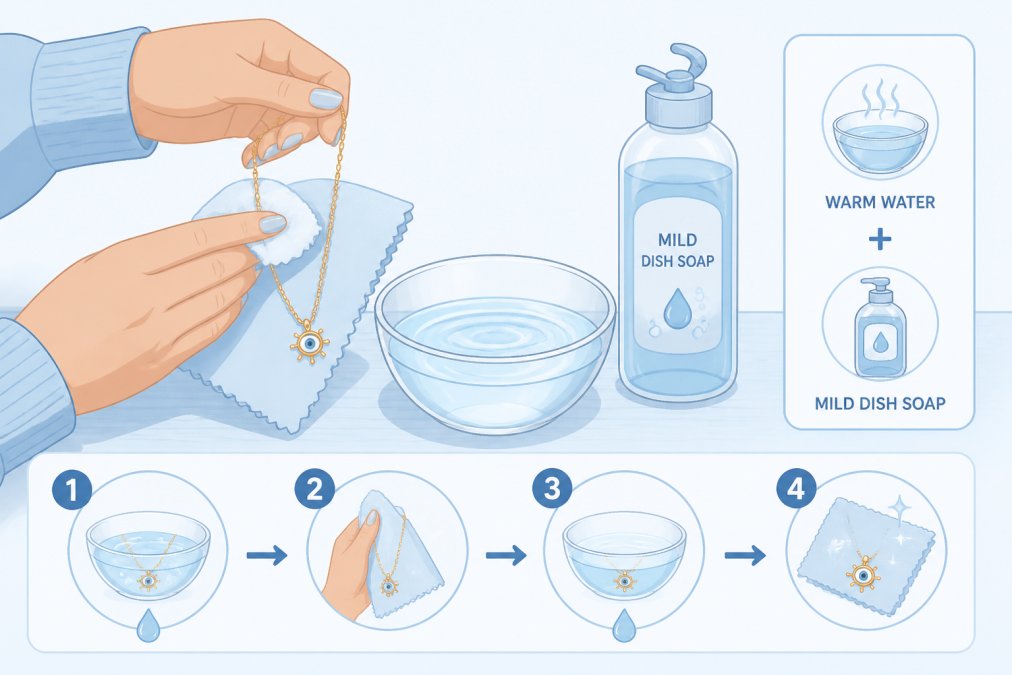
Step-by-step cleaning process:
- Fill a small bowl with lukewarm water and add one or two drops of mild dish soap
- Submerge the piece briefly, no more than 30 seconds
- Use a very soft cloth or baby toothbrush to gently remove surface buildup
- Rinse under cool running water
- Pat dry immediately with a lint-free cloth
What to avoid: Ultrasonic cleaners, toothpaste, baking soda, alcohol-based cleaners, acetone, and storing pieces wet. Store gold vermeil in a sealed pouch or airtight container to prevent tarnishing.
Gold Vermeil vs Gold Plated vs Gold Filled: Full Comparison
Gold filled is a distinct category where a thick layer of gold is mechanically bonded to a base metal core, typically brass. The gold layer must constitute at least 5% of the total weight, as specified by the FTC requirements for gold-filled jewelry. This makes gold filled significantly more durable than either vermeil or standard plating.
| Type | Minimum Gold Layer | Base Metal | Gold Karat | Durability | Best For |
|---|---|---|---|---|---|
| Gold Vermeil | 2.5 microns | Sterling Silver (925) | 10k minimum | 2-5 years with care | Sensitive skin, everyday wear |
| Gold Plated | 0.5 microns (typical) | Brass or Copper | 10k-18k | 6-12 months typical | Fashion pieces, trend-driven styles |
| Gold Filled | 5% of total weight | Brass | 12k-14k typical | 10-30 years | Long-term investment, heirloom pieces |
| Solid Gold | N/A | Pure gold alloy | 10k-24k | Lifetime | Maximum durability, value retention |
Price Point and Value Retention
Gold vermeil sits in the middle of the market, priced above standard gold plating but below gold filled and solid gold. The higher cost reflects the sterling silver base and thicker gold layer, both of which add real material value. Standard gold-plated pieces cost less to produce but have minimal resale value once faded. A vermeil piece that has lost its gold layer still contains 925 sterling silver, which can be re-plated or worn as silver, offering meaningful long-term value.
Repairability and Re-Plating
Gold vermeil can be re-plated by a jeweler, effectively restoring the piece to like-new condition at modest cost. Standard gold-plated pieces over brass can technically be re-plated, but the process is less reliable because brass is more porous than sterling silver. Re-plating a vermeil piece extends its life significantly and reduces waste compared to purchasing replacement jewelry.
Which Type of Gold Jewelry Should You Choose?
Choose gold vermeil if: You wear jewelry daily and want pieces that hold up for years, have sensitive skin or nickel sensitivity, want pieces that can be restored through re-plating, or value sterling silver as a base material.
Choose standard gold plating if: You are buying trend-driven pieces you expect to rotate seasonally or budget is the primary consideration.
Choose gold filled if: You want maximum durability without the cost of solid gold or plan to wear a piece every day for a decade or more.
| Consideration | Gold Vermeil | Gold Plated | Gold Filled |
|---|---|---|---|
| Skin sensitivity | Best option | Risky with brass base | Moderate (brass core) |
| Daily wear durability | Good | Fair | Excellent |
| Re-plating feasibility | Easy | Possible | Complex |
| Value retention | Moderate | Low | Higher |
| Entry price point | Moderate | Lowest | Higher |
The most common mistake shoppers make is choosing based on price alone without factoring in cost per wear. A plated piece that fades in eight months costs more over two years than a vermeil piece that holds its finish with basic care.
Choosing between gold vermeil and gold-plated jewelry is straightforward once you understand what separates them at a material level. Gemma Azzurro specializes in high-quality sterling silver and gold-plated pieces built for everyday wear, with Mediterranean-inspired designs meant to be lived in rather than saved for special occasions. With a 14-day money-back guarantee and free shipping on orders over $150, there is no reason to settle for pieces that fade before you have worn them in. Explore the Gemma Azzurro collection and find jewelry that holds up as beautifully as it looks on day one.
Frequently Asked Questions
Is gold vermeil considered real gold?
Yes, gold vermeil contains real gold. The FTC requires vermeil to have a minimum of 10-karat gold plating at least 2.5 microns thick over a sterling silver base. Most quality vermeil uses 14k or 18k gold. The gold layer is genuine, though the piece is not solid gold throughout. That distinction makes vermeil a legitimate precious-metal jewelry option, sitting well above standard gold-plated pieces in both gold content and base metal quality.
Does gold vermeil turn green or irritate skin?
Gold vermeil over sterling silver is unlikely to cause green marks or skin irritation because sterling silver is a nickel-free, hypoallergenic base metal. Green discoloration typically comes from copper or brass reacting with skin oils and sweat. As long as the gold vermeil plating remains intact, your skin contacts only the gold layer. If the plating wears thin at friction points, the sterling silver underneath is still far gentler on sensitive skin than brass or copper bases used in standard gold-plated pieces.
Can I shower with gold vermeil jewelry?
Showering with gold vermeil jewelry regularly will shorten its lifespan. Water alone causes minimal damage, but soap, shampoo, and conditioner contain chemicals that accelerate oxidation and wear down the gold layer faster. Chlorinated water from pools is especially harsh. For everyday wear, remove your gold vermeil pieces before showering, swimming, or applying products like perfume and lotion. This simple habit can extend the finish from months to several years, depending on the plating thickness.
What is the difference in thickness between gold plated and vermeil?
The FTC sets the minimum thickness for gold vermeil at 2.5 microns over sterling silver. Standard gold-plated jewelry has no regulated minimum, and many pieces carry a layer as thin as 0.5 microns. That five-fold difference in thickness is why vermeil holds its finish significantly longer under daily wear and tear. Thicker plating means more gold between the surface and the base metal, so it takes longer for friction, moisture, and oxidation to break through to the layer beneath.
This article was written using GrandRanker


