
Table of Contents
- What Is Tarnish-Resistant Jewelry?
- Materials to Look For: Sterling Silver, Stainless Steel, and Gold-Plated Options
- Best Metals for Sensitive Skin
- How to Clean Tarnished Silver Jewelry
- Affordable Durable Jewelry for Everyday Wear
- Longevity and Care: What Actually Lasts
- Conclusion
Last Updated: August 27, 2026
What Is Tarnish-Resistant Jewelry?
Tarnish-resistant jewelry is designed to resist oxidation and discoloration that naturally occurs when metals react with moisture, sulfur compounds, and air. Unlike traditional sterling silver that darkens over time, durable jewelry that won't tarnish uses protective coatings, higher-purity alloys, or specially treated metals to maintain its shine and color through years of daily wear.

The key distinction lies in the metal's composition and surface treatment. When you invest in tarnish-resistant pieces, you're paying for materials and engineering that slow down the chemical process responsible for that dull, dark patina. This matters for everyday jewelry because constant cleaning becomes unnecessary, and your pieces look fresher longer.
At Gemma Azzurro, we've built our entire collection around this principle. Our Mediterranean-inspired designs feature 925 sterling silver and gold-plated options specifically chosen for their durability and resistance to tarnishing, so your jewelry remains vibrant through daily wear.
Materials to Look For: Sterling Silver, Stainless Steel, and Gold-Plated Options
Understanding the materials behind durable jewelry that won't tarnish is essential before making a purchase. Different metals offer different levels of protection, and the choice depends on your skin sensitivity, lifestyle, and aesthetic preferences.
925 Sterling Silver: The Everyday Standard
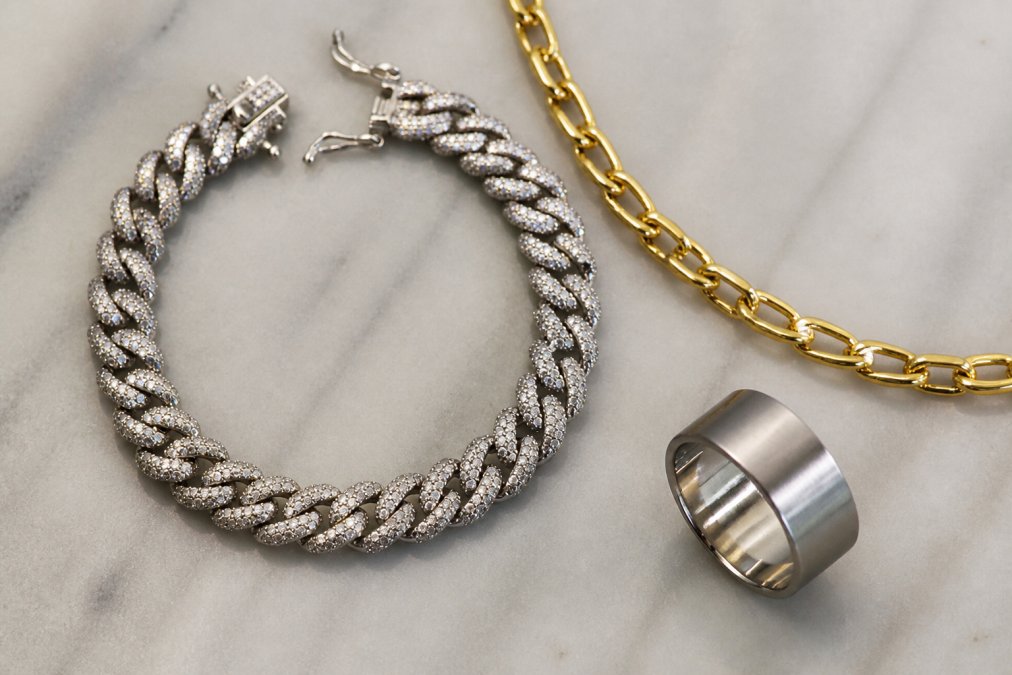
925 sterling silver contains 92.5% pure silver mixed with 7.5% other metals (typically copper) to increase durability (the FTC). This composition makes sterling silver the sweet spot for everyday jewelry, it's soft enough to craft intricate designs but hard enough to withstand regular wear without bending or breaking.
The "925" hallmark guarantees quality and is recognized internationally as the standard for fine jewelry. Sterling silver naturally resists tarnishing better than pure silver because the alloy composition slows oxidation. However, it still develops tarnish over time, especially in humid environments or when exposed to lotions, perfumes, and sweat.
What sets quality sterling silver apart is the manufacturing process. Pieces crafted from 925 sterling silver with proper finishing techniques, like rhodium plating or protective lacquer coatings, resist tarnishing significantly longer than untreated sterling. The best sterling silver jewelry for everyday wear includes pieces like the Best Selling Sterling Silver Chain Link Bracelets at $85.00, hand-crafted from 925 sterling silver with zirconia stones that maintain their brilliance through daily use.
Gold Plated vs. Gold Vermeil Durability
Gold plating and gold vermeil are often confused, but the distinction matters for longevity. Gold-plated jewelry has a thin layer of gold electroplated over a base metal (typically brass or copper). The thickness of this layer, measured in microns, determines how long the gold finish lasts before wearing through.
Vermeil is a specific type of gold plating where the base metal is sterling silver (not cheaper metals), and the gold layer is thicker than standard plating. This combination creates jewelry that lasts longer and maintains its appearance through regular wear. Vermeil is technically more durable than standard gold plating because the sterling silver base resists corrosion better than brass or copper.
For everyday wear, gold plated jewelry typically lasts 1-3 years before the gold layer wears through and the base metal shows (peer-reviewed research). Vermeil extends this to 3-5 years with proper care. The difference comes down to base metal quality and plating thickness, thicker plating and a sterling silver base mean your jewelry stays beautiful longer.
Gemma Azzurro's gold-plated pieces use quality base metals and proper plating thickness to ensure your jewelry maintains its Mediterranean warmth and luster. When comparing gold plated vs. gold vermeil durability, vermeil wins for longevity, but quality gold plating over a solid base still outperforms mass-produced alternatives.
Stainless Steel and PVD Coating
Stainless steel is one of the most tarnish-resistant metals available for jewelry. It contains chromium, which forms an invisible protective oxide layer on the surface, preventing rust and corrosion. This makes stainless steel nearly impossible to tarnish in normal conditions, even saltwater exposure causes minimal damage.
The limitation of stainless steel is aesthetic. It's harder to work with for intricate designs, and it lacks the warmth of gold or the shimmer of silver. However, for durability and low maintenance, stainless steel is unbeatable.
PVD (Physical Vapor Deposition) coating takes stainless steel further. This advanced surface treatment applies an extremely thin, incredibly hard layer of color-treated material to the metal surface. PVD-coated jewelry resists scratching, fading, and corrosion far better than standard stainless steel. The coating won't chip or peel like electroplating can, making it ideal for people who want zero maintenance and maximum durability.
PVD coating is the technology behind many luxury watch cases and high-end jewelry. It's more expensive than standard plating, but the investment pays off in longevity. If you want jewelry that genuinely won't tarnish and requires almost no maintenance, stainless steel with PVD coating is the scientific answer.
Best Metals for Sensitive Skin
Metal sensitivity causes green marks, itching, and rashes when jewelry contains nickel or other reactive metals. The best metals for sensitive skin are hypoallergenic options that minimize allergic reactions.
Sterling silver is hypoallergenic for most people because it contains minimal nickel and no other common allergens. The 925 standard ensures purity, making it ideal for anyone with metal sensitivity. However, the 7.5% alloy component matters, some sterling silver mixes nickel into that alloy, so look for nickel-free sterling silver if you have severe sensitivity.
Stainless steel is naturally hypoallergenic and nickel-free (or contains only trace amounts). It's an excellent choice for sensitive skin, though some people react to the chromium or molybdenum in the alloy. Surgical-grade stainless steel (316L) is the most hypoallergenic variant.
Gold-plated jewelry causes sensitivity reactions when the gold layer wears through, exposing the nickel-laden base metal. If you have sensitive skin, vermeil (gold-plated sterling silver) is safer than standard gold plating because the sterling silver base is hypoallergenic. The thicker gold layer also lasts longer, reducing the chance of the base metal showing through.
Avoid nickel-containing alloys, costume jewelry with unknown composition, and cheap plating that wears quickly. For sensitive skin, invest in pieces with verified hypoallergenic materials, your skin will thank you, and your jewelry will last longer too.
How to Clean Tarnished Silver Jewelry
Even tarnish-resistant jewelry occasionally needs cleaning, especially if exposed to harsh conditions or stored improperly. Knowing how to clean tarnished silver jewelry properly prevents damage while restoring shine.
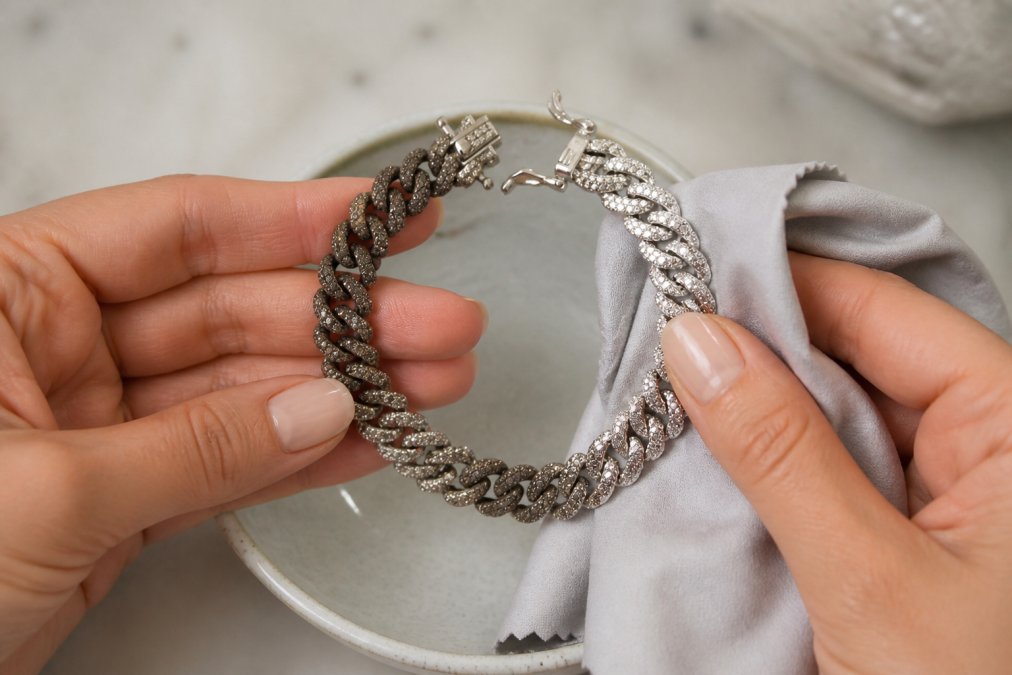
The gentlest method uses a soft microfiber cloth. Simply rub the tarnished areas with the cloth in circular motions. This removes light tarnish without chemicals or abrasion. For heavier tarnish, a silver polishing cloth (treated with special compounds) works effectively and is still non-damaging.
For stubborn tarnish, a baking soda and water paste is safe and effective. Mix baking soda with a small amount of water to create a thick paste. Apply it to the tarnished areas and gently rub with a soft cloth. Rinse thoroughly with water and dry completely. Avoid soaking sterling silver for extended periods, as prolonged water exposure can accelerate tarnishing.
Never use harsh abrasive cleaners, steel wool, or aggressive scrubbing on silver jewelry. These methods remove not just tarnish but also the metal itself, permanently damaging intricate details and finishes.
For gold-plated jewelry, avoid all liquid cleaners and abrasive methods. The plating is thin and easily damaged. Use only a soft, dry microfiber cloth to gently wipe the surface. If you need deeper cleaning, consult a professional jeweler.
Store jewelry properly to minimize tarnishing. Keep pieces in airtight containers, zip-lock bags, or jewelry boxes lined with anti-tarnish cloth. Avoid storing near moisture, humidity, or chemicals like perfume and hairspray. Proper storage extends the time between cleanings significantly.
Affordable Durable Jewelry for Everyday Wear
Quality jewelry doesn't require a luxury price tag. The key is choosing materials and construction methods that deliver longevity without the designer markup.
Sterling silver pieces offer the best value for everyday jewelry. At $58 to $115 per piece, pieces like the Sterling silver star lariat necklace ($58.00) and the Sterling silver 5 mm round cut eternity band ($95.00) deliver genuine durability without breaking the budget. These pieces are hand-crafted from 925 sterling silver, ensuring they'll resist tarnishing and last for years of daily wear.

Gold-plated jewelry in the $70-$130 range provides warmth and luxury appearance at a fraction of solid gold prices. The Sterling silver blue opal hamsa bracelet ($72.00) combines sterling silver with semi-precious opal for visual richness without excessive cost. For statement pieces, the Perla Sterling silver & pearl statement earrings ($229.00) offer hand-crafted quality with genuine fresh water pearls, a premium piece that justifies its price through materials and craftsmanship.

The affordability of durable jewelry that won't tarnish depends on construction quality, not just material cost. Hand-crafted pieces with proper finishing techniques cost more upfront but require less maintenance and last longer than mass-produced alternatives. A $85 hand-crafted bracelet outlasts a $25 machine-made piece by years, making it the smarter long-term investment.
Look for brands offering transparent material specifications, hand-crafted construction details, and quality guarantees. Gemma Azzurro backs its pieces with a 14-day money-back guarantee, recognizing that durability matters to customers who wear jewelry daily.
Longevity and Care: What Actually Lasts
Real durability comes from three factors: material quality, construction method, and maintenance practices. Understanding all three helps you make purchases that genuinely last.
Material quality is non-negotiable. 925 sterling silver outlasts plated alternatives because the entire piece is silver, not just a thin surface layer. Stainless steel with PVD coating lasts longer than standard stainless because the protective layer prevents scratching and fading. Gold vermeil lasts longer than standard gold plating because the sterling silver base resists corrosion better than cheaper metals.
Construction method determines whether your jewelry survives daily wear. Hand-crafted pieces typically use stronger joints, better stone settings, and more durable construction techniques than mass-produced alternatives. Machine-made jewelry cuts costs but often sacrifices durability. Check for solid construction, secure stone settings, and finished edges that won't catch on clothing or skin.
Maintenance practices extend longevity dramatically. Store jewelry properly in airtight containers away from moisture and chemicals. Remove jewelry before swimming, showering, or exercising if possible, sweat and chlorine accelerate tarnishing. Clean pieces regularly with appropriate methods for their material. Avoid exposing jewelry to extreme temperatures, harsh chemicals, or prolonged moisture exposure.
Pieces made from 925 sterling silver with proper finishing can last 10-20 years or more with basic care (peer-reviewed research). Gold-plated jewelry lasts 3-5 years before re-plating becomes necessary. Stainless steel with PVD coating can last 20+ years without significant degradation. These timelines assume proper care and normal wear, neglect accelerates deterioration.
Gemma Azzurro's pieces are designed for longevity. Each hand-crafted item uses quality materials and construction techniques built to withstand daily wear. The brand's 14-day money-back guarantee and free shipping on orders over $150 reflect confidence in durability. Additionally, newsletter subscribers receive a 10% discount, making quality jewelry more accessible for people committed to long-term wear.
Finding jewelry that won't tarnish doesn't mean settling for boring or expensive. The right combination of materials, craftsmanship, and care practices gives you pieces that look as beautiful on day 365 as day one. Gemma Azzurro specializes in hand-crafted sterling silver and gold-plated designs featuring Mediterranean-inspired styles that resist tarnishing through daily wear, workouts, and everyday life. With prices ranging from $58 to $229, quality construction, and a commitment to durability, Gemma Azzurro makes it effortless to build a jewelry collection that lasts.
Frequently Asked Questions
Q: What type of cheap jewelry doesn't turn green?
A: Hypoallergenic metals like 925 sterling silver, stainless steel, and nickel-free options resist the green oxidation that occurs with base metals. Durable jewelry that won't tarnish typically uses these materials or includes a protective PVD coating. Avoid pieces with high copper content, which reacts with skin moisture to create discoloration. Look for product descriptions that specify nickel-free construction and sterling silver or stainless steel bases.
Q: How can you tell if jewelry will tarnish before buying it?
A: Check the metal composition label: 925 sterling silver, 14k-18k gold, and surgical stainless steel are tarnish-resistant. Avoid jewelry labeled as 'plated' without thickness specifications or pieces made primarily from brass or copper. Research the brand's material sourcing and read customer reviews mentioning durability and discoloration over time. Ask about plating thickness if gold-plated; thicker plating (over 2.5 microns) lasts longer. Reputable sellers provide detailed material specifications.
Q: What jewelry metal lasts the longest?
A: Solid sterling silver, stainless steel, and high-karat gold (14k or higher) offer the best longevity for everyday wear. Gold-plated jewelry lasts 1-3 years with proper care, while gold vermeil can last 2-5 years due to thicker plating. PVD-coated stainless steel resists corrosion and oxidation exceptionally well. Sterling silver requires occasional polishing but doesn't permanently degrade. The key is choosing solid metals over thin plating and maintaining proper care habits like removing jewelry during showers and storing it in dry conditions.
Q: How should I care for durable jewelry that won't tarnish to keep it looking new?
A: Remove jewelry before showering, exercising, or applying cosmetics, as moisture and chemicals accelerate tarnishing. Store pieces in a dry, cool place away from direct sunlight; use anti-tarnish pouches for silver. Clean regularly with a soft microfiber cloth; for stubborn tarnish on sterling silver, use a gentle silver cleaner or baking soda paste. Avoid exposing gold-plated pieces to harsh chemicals or excessive moisture, which can wear through the protective layer. With these habits, quality durable jewelry maintains its appearance for years.
This article was written using GrandRanker


