
Table of Contents
- Why Gold Plated Jewelry Turns Skin Green
- What Is Gold Vermeil vs Gold Plated: Understanding the Difference
- Best Metals for Sensitive Skin and Green Discoloration
- How to Seal Gold Plated Jewelry to Prevent Tarnishing
- Daily Care and Maintenance to Stop Green Marks
- Is Green Skin Discoloration an Allergic Reaction or Normal Oxidation
- Repair and Re-Plating: Can Your Jewelry Be Restored
- Conclusion
Last Updated: August 22, 2026
Why Gold Plated Jewelry Turns Skin Green
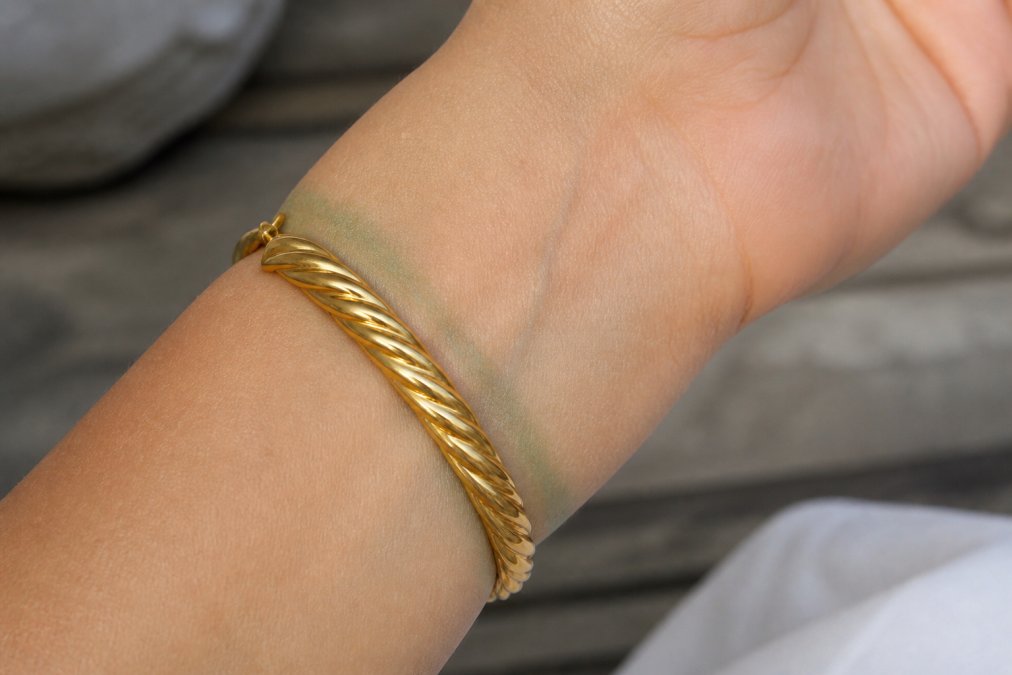
Gold plated jewelry turns skin green due to oxidation of the base metals underneath the thin gold layer. When the protective gold coating wears away through daily friction and moisture exposure, the underlying copper or brass comes into contact with your skin's natural oils, sweat, and moisture. This creates a chemical reaction that produces copper salts, which leave behind the characteristic green discoloration.
The green marks aren't dangerous, they're simply a visible sign that the plating has degraded and the base metal is oxidizing. However, understanding why this happens helps you choose better jewelry, care for your pieces properly, and prevent future staining.
The Role of Copper and Oxidation
Most affordable gold plated jewelry uses brass or copper-based alloys as the foundation metal. Brass is an alloy of copper and zinc, chosen because it's durable, affordable, and takes plating well. When the gold plating wears through, which happens faster with daily wear, sweat exposure, and friction, the copper underneath reacts with moisture and oxygen in the air.
This oxidation process is straightforward chemistry. Copper oxidizes when exposed to moisture and oxygen, forming copper oxide and copper salts. Your skin's natural pH, combined with sweat and body oils, accelerates this reaction. The result is a greenish residue that transfers to your skin wherever the jewelry makes contact.
The thickness of the gold plating directly determines how long this process takes. Thicker plating lasts longer before the base metal shows through. Standard gold plating is typically 0.5 to 2.5 microns thick, extremely thin (astm.org). That's why even high-quality gold plated pieces eventually show signs of wear if worn daily without proper care.
How Body Chemistry Affects Your Jewelry
Your skin's pH level, perspiration rate, and natural oils all influence how quickly gold plated jewelry discolors your skin. People with more acidic sweat or higher moisture levels on their skin experience faster oxidation. This isn't an allergy, it's simply chemistry.
Body chemistry varies significantly from person to person. Some people can wear the same gold plated ring for months without any green marks, while others see discoloration within weeks. Factors that accelerate the process include:
- Higher perspiration during exercise or warm weather
- Acidic skin pH (naturally occurring variation)
- Frequent water exposure from showering or swimming
- Use of acidic skincare products or perfumes that interact with the metal
- Chlorine from pools, which corrodes metal plating faster
If you notice green marks quickly after wearing a piece, it doesn't mean the jewelry is defective, it means your skin chemistry reacts more readily with the base metals. Understanding this helps you make smarter purchasing decisions and take preventative steps.
What Is Gold Vermeil vs Gold Plated: Understanding the Difference
Gold vermeil and gold plated jewelry both involve a gold coating over a base metal, but the key difference lies in what's underneath and how thick the plating is. Gold vermeil must have sterling silver as the base metal and a minimum gold plating thickness of 2.5 microns (the FTC). Gold plated jewelry can use any base metal (brass, copper, bronze) and typically has plating between 0.5 to 2.5 microns thick.
Because vermeil uses sterling silver underneath, it resists oxidation far better than brass or copper-based plated jewelry. Sterling silver doesn't turn your skin green, it may tarnish (develop a dark patina), but tarnish is cosmetic and easily cleaned. If a gold plated piece has a sterling silver base, you're getting better longevity and less risk of green discoloration.
When shopping for gold plated jewelry, check whether the base metal is sterling silver or brass. Gemma Azzurro's collection uses sterling silver bases with 18k gold plating, which means you're getting the superior durability of vermeil-quality construction.
Nickel-Free vs Copper-Free: Which Matters More
For people with sensitive skin, the distinction between nickel-free and copper-free matters, but for different reasons. Nickel is a common allergen that causes contact dermatitis in roughly 10-15% of the population (peer-reviewed research). Copper doesn't typically cause allergic reactions in most people, instead, it oxidizes and leaves green marks.
Nickel-free jewelry prevents allergic reactions. If you break out in a rash, itch, or develop irritation from jewelry, nickel allergy is the likely culprit. Copper-free jewelry prevents green discoloration. If your main concern is avoiding green marks on your skin, copper-free matters more than nickel-free.
However, most quality gold plated jewelry is already nickel-free. The issue arises with very cheap plated jewelry that uses nickel in the base alloy to reduce costs. Sterling silver bases (like those in Gemma Azzurro pieces) contain no nickel and minimal copper, making them ideal for sensitive skin.
If you have a documented nickel allergy, look for nickel-free certification. If you simply want to avoid green marks, focus on jewelry with sterling silver bases and thicker gold plating.
How to Seal Gold Plated Jewelry to Prevent Tarnishing
Sealing gold plated jewelry with a protective coating extends its life and delays the oxidation that causes green discoloration. The most effective method is applying a clear, waterproof sealant that creates a barrier between the gold plating and environmental moisture.
Professional jewelers use specialized clear coatings designed for plated jewelry. These coatings are transparent, durable, and designed to withstand daily wear. The process involves cleaning the jewelry thoroughly, applying the sealant evenly, and allowing it to cure completely.
For at-home maintenance, you can apply a protective clear coating, but professional sealing offers better results.
The Clear Nail Polish Hack and Other Protective Coatings
The clear nail polish hack is a popular DIY method for sealing gold plated jewelry. Apply a thin, even coat of clear nail polish over the entire surface of the jewelry, allow it to dry completely, and repeat if needed for better coverage. This creates a temporary barrier that slows oxidation.
The drawback: nail polish wears off within weeks to a few months, especially with daily wear. It's a budget-friendly temporary fix, not a permanent solution. The polish can also look slightly cloudy or dull the jewelry's finish if applied unevenly.
Better alternatives include:
- Clear jewelry lacquer (specifically formulated for jewelry, more durable than nail polish)
- Enamel-based protective coatings (professional-grade, longer-lasting)
- Clear resin sealants (waterproof, suitable for daily wear)
- Wax-based protective layers (temporary but effective)
If you're applying any protective coating yourself, ensure the jewelry is completely clean and dry first. Apply thin, even layers and allow full curing time between coats. Thick applications look cloudy and peel more easily. maintaining jewelry quality.
Daily Care and Maintenance to Stop Green Marks
Preventing green marks requires consistent daily habits that minimize moisture exposure and oxidation. The goal is to reduce how often the base metal comes into contact with sweat, water, and acidic substances.
Cleaning Routine for Gold Plated Pieces
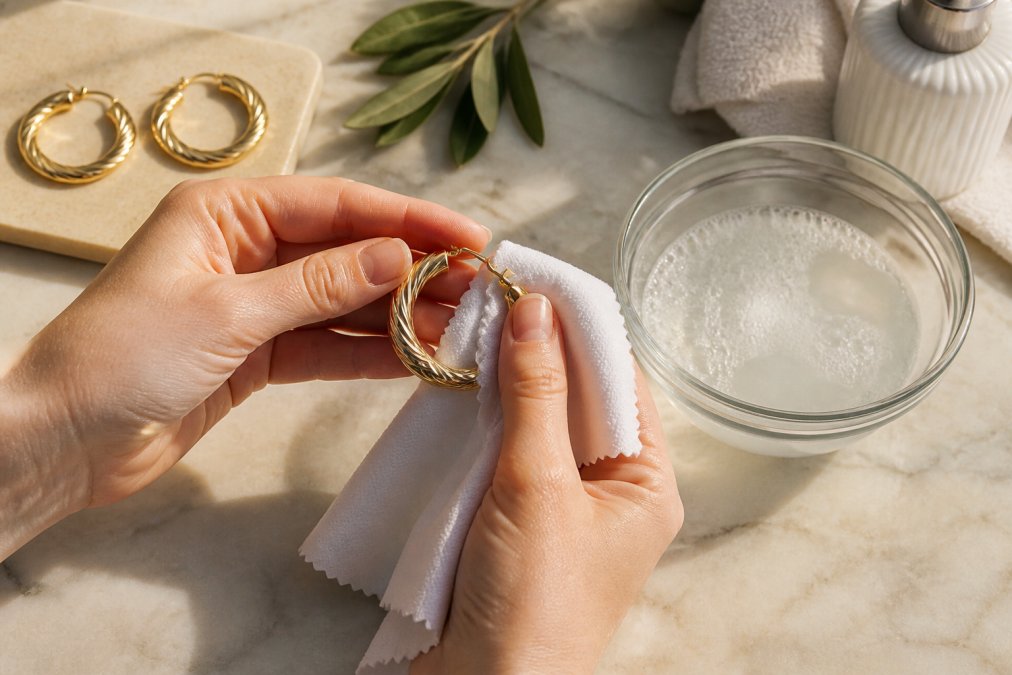
Establish a simple cleaning routine to remove sweat, oils, and dirt that accelerate oxidation. Clean your gold plated jewelry weekly with mild soap and lukewarm water. Use a soft cloth or soft-bristled brush to gently scrub the surface, paying attention to any crevices or textured areas.
Avoid harsh chemicals, abrasive scrubbers, and ultrasonic cleaners. These can damage the gold plating and expose the base metal faster. Pat the jewelry dry immediately after cleaning, don't let it air dry, as prolonged moisture exposure increases oxidation.
For stubborn tarnish or discoloration, soak the jewelry in a mixture of warm water and a few drops of mild dish soap for 10-15 minutes, then gently clean with a soft cloth. Rinse thoroughly and dry completely.
Moisture Exposure and Storage Tips
Moisture is the primary accelerant of oxidation. Minimize water exposure by removing jewelry before showering, swimming, or exercising. Sweat combined with heat creates an ideal environment for copper oxidation and green discoloration.
Store your gold plated jewelry in a cool, dry place away from direct sunlight. Use individual storage pouches or compartments to prevent pieces from rubbing against each other, which accelerates plating wear. Avoid storing jewelry in bathrooms, where humidity is high.
If you accidentally get a piece wet, dry it immediately with a soft cloth. Don't let moisture sit on the surface. Consider storing silica gel packets or moisture-absorbing materials in your jewelry box to keep the environment as dry as possible.
Remove jewelry before applying skincare products, perfumes, or cosmetics. Many of these products contain acidic or corrosive ingredients that react with the base metals and speed up oxidation.
Is Green Skin Discoloration an Allergic Reaction or Normal Oxidation
Green marks from gold plated jewelry are normal oxidation, not an allergic reaction in most cases. If you're experiencing green discoloration without itching, rash, or irritation, oxidation is the cause. The green residue is simply copper salts transferring to your skin.
However, if you experience itching, redness, swelling, or a rash, you may have a contact allergy, likely to nickel in the base metal or the plating itself. True allergic reactions involve inflammation and skin irritation beyond just discoloration.
To distinguish between the two: oxidation leaves green marks but no physical irritation. Allergic reactions cause itching, redness, or a rash, with or without discoloration. If you develop an allergic reaction, discontinue wearing the jewelry and consult a dermatologist if symptoms persist.
Most people with sensitive skin tolerate sterling silver-based gold plated jewelry well, as sterling silver contains no nickel and resists oxidation better than brass or copper bases.
Repair and Re-Plating: Can Your Jewelry Be Restored
Gold plated jewelry can be professionally re-plated, restoring its appearance and extending its life. The re-plating process involves stripping the old plating, cleaning the base metal thoroughly, and applying a new gold plating layer.
Re-plating costs vary depending on the piece's size and complexity, typically ranging from $15 to $50 per item at professional jewelry services. For inexpensive plated jewelry, re-plating may cost more than replacing the piece. For sentimental or higher-quality items, re-plating is worthwhile.
Many jewelers offer re-plating services, and some jewelry retailers provide this as a service for their customers. Before having a piece re-plated, confirm that the base metal is structurally sound. If the base metal is corroded or damaged, re-plating may not restore the piece adequately.
For jewelry from Gemma Azzurro, the sterling silver base means the piece retains its value and structural integrity even after plating wears. Re-plating restores the appearance while preserving the underlying quality.
Green discoloration on your skin from gold plated jewelry is preventable with the right knowledge and care habits. The key is understanding that oxidation happens when base metals are exposed to moisture, and that choosing jewelry with sterling silver bases and thicker gold plating dramatically slows this process. Gemma Azzurro's Mediterranean-inspired gold plated pieces use 18k gold plating over sterling silver, providing the durability and longevity you need for everyday wear without the constant worry of green marks. Our 18k gold plated silver eye huggie hoops and large twisted hoops are designed for daily wear with proper care, backed by our 14-day money-back guarantee so you can wear with confidence.


Frequently Asked Questions
Q: Is it normal for gold plated jewelry to turn skin green?
A: Yes, it's completely normal and doesn't indicate a defect or poor quality. The green discoloration occurs when copper in the base metal oxidizes and reacts with sweat, moisture, and skin oils. This happens with gold plated jewelry because the plating eventually wears through with daily wear, exposing the underlying metal alloy beneath. Even high-quality gold plated pieces will eventually show this if worn constantly without maintenance, but proper care and protective measures can significantly delay or prevent it.
Q: Does high-quality gold plating prevent skin staining?
A: Higher-quality gold plating (like 18k gold plating) is thicker and more durable than thin plating, which means it takes longer to wear through and expose the base metal underneath. However, no gold plating is permanent, all plating eventually experiences wear and fading with daily exposure to sweat, moisture, and environmental factors. The difference is that premium pieces like Gemma Azzurro's 18k gold plated jewelry maintain their finish longer, giving you extended wear before green marks appear. Thickness matters, but maintenance and protective coatings are equally important.
Q: What's the difference between gold vermeil and gold plated jewelry?
A: Gold vermeil has a sterling silver base with at least 2.5 microns of gold plating, making it thicker and more durable than standard gold plating. Standard gold plated jewelry uses a thinner layer of gold (typically less than 1 micron) over brass, copper, or other base metals. Because vermeil starts with sterling silver, it's less likely to cause green discoloration, though the gold layer can still wear through over time. If you have sensitive skin or want longer-lasting protection against green marks, vermeil is a better choice than thin gold plating.
Q: Can green skin from jewelry be prevented completely?
A: Complete prevention depends on the jewelry's metal composition and your care routine. Sterling silver and nickel-free metals minimize discoloration risk. Using protective coatings like clear nail polish, storing jewelry in dry conditions, removing pieces before showering or working out, and cleaning regularly with a soft cloth can dramatically reduce or delay green marks. However, if you wear gold plated jewelry with a copper-heavy base metal daily in humid conditions, some discoloration may eventually occur. The goal is to extend the life of your plating and minimize contact between the base metal and your skin.
This article was written using GrandRanker


